
In the world of outdoor design, the role of a landscape designer is both creative & technical.
Whether you’re searching for “residential landscape designers near me” or interested in becoming one, understanding the essential skills needed for success in this field is crucial. This guide will explore the vital skills every landscape designer should master to provide exceptional landscaping design services.
Landscape designers must have a solid grasp of design principles to create aesthetically pleasing and functional outdoor spaces. This involves understanding and applying principles such as balance, contrast, harmony, and proportion. These principles guide the arrangement of various elements in a landscape, ensuring that the final design is both visually appealing and practical.
Balance
Balance in landscape design requires symmetry to create a formal and orderly appearance.
Proportion
Proportion relates to the size relationship between elements and the overall space, ensuring everything fits together seamlessly. Effective use of proportion can make a small space feel larger or a large area more intimate.
Scale
Scale, a related concept, involves the size of elements in relation to each other and the human figure, ensuring that the space is both accessible and comfortable for users. Mastery of proportion and scale is essential for creating spaces that feel right.
Contrast
Contrast can be used to highlight specific areas or features within a landscape, drawing attention to focal points. This can be achieved through variations in color, texture, or form. Harmony, on the other hand, ensures that all elements work together cohesively, creating a unified look. Achieving harmony often involves repeating elements or colors throughout the design, providing a sense of continuity and coherence.


Landscape Designer
A landscape designer must have an in-depth understanding of plants and their growing conditions. This includes knowledge of plant species, climate zones, soil types, and watering needs. With this expertise, a designer can select plants that will thrive in a given environment, ensuring long-lasting beauty and sustainability.
Landscape Architecture
We approach landscape design with a balance of creativity and ecological responsibility. Our expertise in landscape architecture includes site planning, master planning, grading and drainage, hardscape layout, and planting design. Each project is guided by an understanding of spatial aesthetics, human interaction, and environmental impact.


Horticulture
Horticultural knowledge drives our plant selection and maintenance practices. From ornamental landscapes to food-producing gardens, we emphasize plant health, soil science, irrigation efficiency, and climate adaptability to ensure thriving, low-maintenance green spaces.
Seasonal Changes & Year-Round Interest
Understanding how plants change throughout the seasons is vital. A skilled landscape designer will plan for year-round interest by selecting a variety of plants that bloom at different times, ensuring a dynamic landscape that evolves with the seasons. This approach not only enhances visual appeal but also supports local wildlife, providing food and habitat throughout the year.
Plant Selection & Compatibility
Choosing the right plants involves understanding their compatibility with the local climate, soil conditions, and other plants. A successful landscape designer will select plants that complement each other in terms of growth habit, color, and texture, creating a harmonious and thriving ecosystem. This knowledge is critical for preventing common issues like overcrowding or disease spread.
Botany
Botanical expertise provides the scientific backbone for our planting strategies. We understand the anatomy, physiology, and taxonomy of plants, allowing us to design with biodiversity, resilience, and native ecology in mind. Our deep knowledge of plant behavior ensures sustainable, thriving ecosystems.
Environmental Science
Environmental stewardship is embedded in our process. We assess site conditions, study water flow, and evaluate ecological impacts to design landscapes that support carbon reduction, stormwater management, wildlife habitat, and climate adaptability. Our goal is to enhance the natural environment while meeting human needs.
Arboriculture
Trees are integral to every successful landscape. As certified experts in arboriculture, we evaluate tree health, manage risk, and implement preservation and maintenance plans.
Soil & Water Management
Effective soil and water management are crucial for plant health and sustainability. A landscape designer must assess soil quality and implement strategies to improve fertility, drainage, and structure. Similarly, understanding the water needs of different plant species allows designers to create efficient irrigation plans, conserving water and supporting plant growth.

Technical Skills
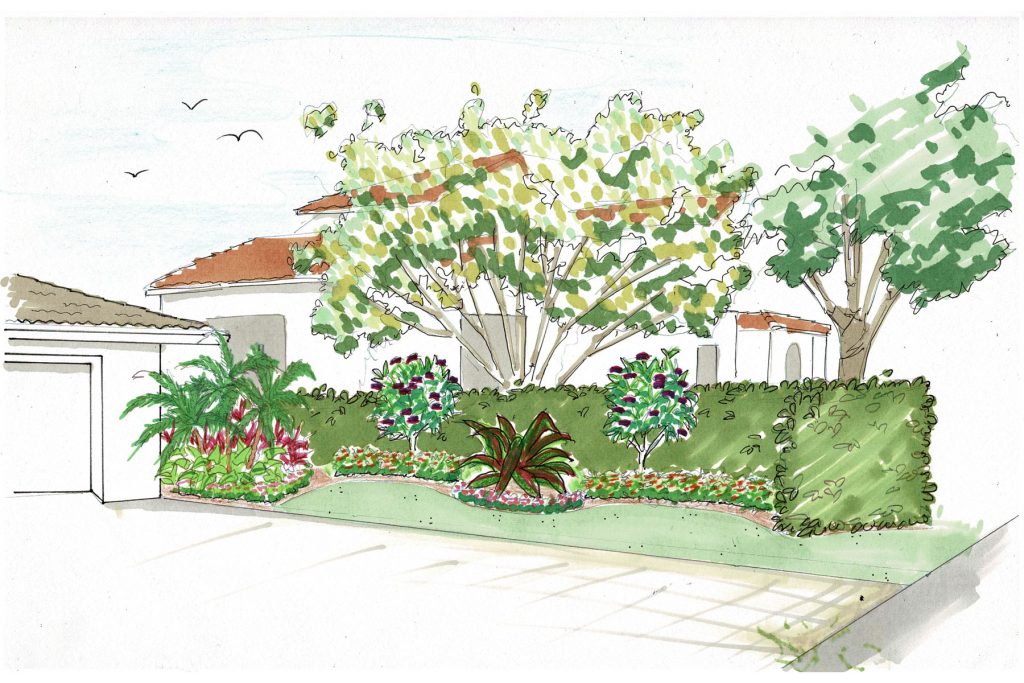
In addition to artistic abilities, technical skills are crucial for landscape designers. This includes proficiency in design software, drafting, and the ability to read and create site plans.
Design Software Proficiency
Modern landscape designers often use software tools to create detailed plans and 3D renderings. These tools help designers visualize their ideas and communicate them effectively to clients and contractors. Mastery of these programs allows for precision and flexibility in design, enabling quick adjustments and refinements.
Drafting & Technical Drawing
Drafting skills are essential for creating accurate and detailed technical drawings. These drawings serve as blueprints for construction, providing contractors with the necessary information to execute the design. A landscape designer must be proficient in both hand-drawing techniques and computer-aided drafting to produce clear and comprehensive plans.
Site Analysis & Planning
Conducting a thorough site analysis is a fundamental skill for any landscape designer. This involves assessing the existing conditions of a site, including topography, drainage, and sunlight exposure, to inform the design process. Effective site planning ensures that the design is both functional and sustainable, addressing potential challenges such as erosion, water runoff, or access issues.
Communication & Collaboration
Landscape design is a collaborative process that involves working with clients, contractors, and other professionals. Strong communication skills are essential for understanding client needs, presenting design concepts, and coordinating with teams to ensure successful project execution.

Effective Client Interaction
A successful landscape designer listens carefully to clients’ preferences and needs, translating their vision into a workable design plan. Building a rapport with clients and managing expectations throughout the project is key to achieving satisfaction. Clear communication from initial consultation to project completion ensures that the client’s vision is realized.

Team Coordination & Leadership
Collaborating with architects, engineers, and contractors requires clear communication and coordination. This ensures that all aspects of the project align with the overall design vision and are executed efficiently. A landscape designer must also exhibit leadership skills, guiding the project team and making informed decisions to overcome challenges.

Presentation & Visualization
Presenting design concepts clearly and effectively is crucial for gaining client approval and coordinating with the project team. This involves creating compelling visualizations, whether through sketches, renderings, or models, that convey the design’s aesthetic and functional aspects. Strong presentation skills help bridge the gap between concept and reality.
Creativity & Problem-Solving
Creativity is at the heart of landscape design. Designers must think outside the box to create unique and innovative solutions that meet the functional and aesthetic needs of a project.
Innovative Design Solutions
Every landscape presents its own set of challenges, from awkward spaces to specific client requests. A creative landscape designer can devise innovative solutions that overcome these obstacles while enhancing the overall design. This often involves reimagining traditional design elements or incorporating new technologies.
Adaptability & Flexibility
The ability to adapt to unexpected changes or challenges during a project is essential. Whether it’s a sudden change in client preferences or unforeseen site conditions, a skilled designer must be able to pivot and find effective solutions. Flexibility in approach and willingness to experiment are key traits of a successful designer.
Problem-Solving Techniques
Problem-solving in landscape design involves identifying potential issues early and developing strategies to address them. This could range from finding ways to integrate existing structures into the design to resolving drainage problems. A proactive and analytical mindset helps designers navigate complex projects with confidence.
Sustainable Practices
With growing awareness of environmental issues, sustainable landscape design is more important than ever. Designers should incorporate eco-friendly practices and materials into their projects to create landscapes that are both beautiful and environmentally responsible.

Sustainable Planting & Biodiversity
Choosing native plants and incorporating sustainable practices like rainwater harvesting and xeriscaping can reduce water usage and support local ecosystems. A landscape designer should be knowledgeable about these practices and implement them where possible. Promoting biodiversity through plant selection and habitat creation enhances ecological resilience.

Eco-friendly Materials & Construction
Selecting sustainable materials for hardscaping and other design elements is also crucial. This includes using recycled or locally sourced materials to minimize the environmental impact of a project. Sustainable construction methods, such as minimizing soil disturbance and preserving existing vegetation, further contribute to eco-friendly design.

Energy Efficiency & Resource Conservation
Incorporating energy-efficient features, such as solar lighting or permeable paving, can reduce a landscape’s environmental footprint. Resource conservation strategies, like using drought-tolerant plants or efficient irrigation systems, help preserve natural resources. A commitment to sustainability enhances the long-term viability of landscape designs.
Conclusion
Becoming a successful landscape designer requires a diverse set of skills, from artistic creativity and horticultural knowledge to technical proficiency and business acumen.
Whether you’re searching for “residential landscape design near me” or aspiring to be the best landscape design company, understanding and developing these skills is the key to success in the competitive field of landscape design.
Contact the experts at Treasurescapes to create your paradise 561-498-7373

Leave a Reply