

Forward-thinking property owners no longer treat landscaping as a discretionary expense. They manage it as an asset class that directly influences property value, operational efficiency, user experience, and long-term cost control.
When landscaping is planned strategically, it becomes part of the property’s infrastructure. It supports how the site functions day to day while reinforcing credibility and brand perception.
When it is not, it becomes a recurring source of maintenance issues, disruption, and unnecessary spend.
What Strategic Landscaping Actually Delivers
A landscape designed as an asset is built with purpose. Every decision is tied to performance, longevity, and alignment with the property’s goals.
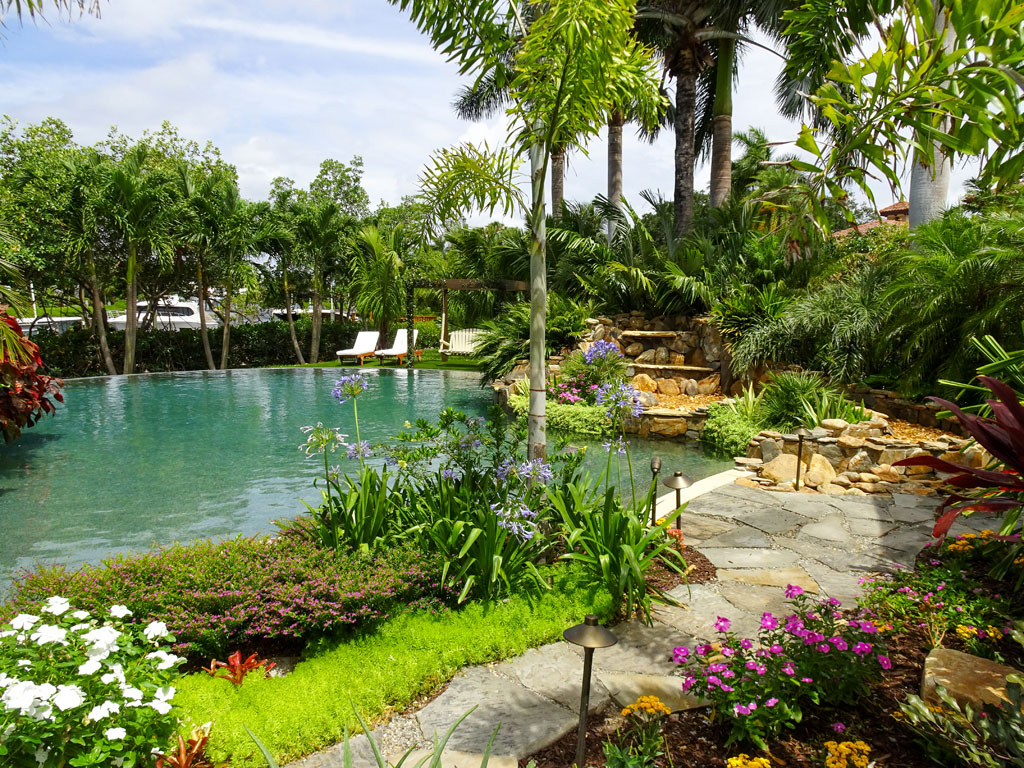
Strategic landscapes:
- Support traffic flow and circulation across the site
- Reinforce brand positioning and first impressions
- Improve usability for occupants, clients, and visitors
- Reduce friction between people, space, and operations
- Lower long-term maintenance and replacement costs
- Mature predictably rather than deteriorate over time
This approach transforms landscaping from a cosmetic feature into a value generating component of the property.
The Cost of Treating Landscaping as an Afterthought
Poorly planned landscapes depreciate quickly. They require constant correction and reactive maintenance that drains budgets and management attention.
Common consequences include:
- Inefficient layouts that disrupt movement and access
- Plant failure due to improper planning or system design
- Drainage and irrigation issues that escalate over time
- Hardscape deterioration caused by root or soil instability
- A decline in visual credibility that impacts perception of the property
These issues are rarely caused by neglect. They are the result of decisions made without a long-term strategy.
Asset Thinking Changes the Outcome
When landscaping decisions are tied to long-term objectives, the outdoor environment becomes an extension of the property’s value proposition. Planning considers how the landscape will perform not just at installation, but years into its lifecycle.
Asset-driven landscaping focuses on:
- Lifecycle performance rather than short-term appearance
- Durability and adaptability as conditions change
- Integration with operations, maintenance, and infrastructure
- Protecting capital investment through intelligent design
The result is a landscape that works quietly in the background, supporting the property instead of demanding constant attention.
How Treasurescapes Approaches Strategic Landscaping
Treasurescapes partners with property owners who understand that outdoor environments should perform at the same level as the assets they support. Our team approaches each project with a strategic lens, evaluating function, longevity, and return on investment before design and installation begin.
We create landscapes that:
- Align with the property’s operational realities
- Reduce long-term maintenance risk
- Support growth, change, and continued use
- Enhance value without unnecessary complexity
If your landscape is consuming resources without delivering long-term value, it is time to rethink the strategy behind it. Contact Treasurescapes to schedule a strategic landscape consultation and start treating your outdoor environment like the asset it should be.

Leave a Reply